

How to Smoke Ribs on a Jambo Pit — Big Poppa's Texas-Influence Method
Big Poppa doesn't cook in the kitchen today — he's in the cave, firing up his good friend Jamie Geer's Jambo pit, one of the most decorated competition cookers in the world. The cook is Texas-influenced (not Texas barbecue — there's a difference, and Big Poppa will tell you), which means the sweet Kansas City playbook gets shelved and the seasoning goes back to its roots: salt, pepper, garlic. In this case that's Little Louie's Seasoned Salt with Garlic Pepper — which just so happens to be exactly that. Both St. Louis spares and baby backs go on, no binder, no foil, just clean fire and time.
Clean Fire First: Why the Smoke You Can't See Is the Best Smoke
Before the ribs go on, the fire has to be right. On a Jambo — or any quality offset — clean fire is everything. You're looking for thin, barely visible smoke coming off the stack. That's the sign your wood is burning completely and producing clean combustion. What you don't want is thick, dark, billowy smoke: that's unburned carbon and creosote, and it will put a bitter, acrid flavor into the meat that no rub or sauce can fix.
Big Poppa's fire build for the Jambo: start with a bed of charcoal, put logs on top to create your own charcoal base, then feed the cook with wood chunks — not full logs — to maintain temperature and keep the fire clean. The Jambo controls temperature through the exhaust vent, not the intake, which is different from most cookers. Learn that exhaust control early and the temperature management becomes intuitive.
Why does the temperature drop when I open the lid and should I adjust the vents?
No — and this is one of the most common mistakes on offset cookers. When you open the lid you introduce cool air, which reads as a temperature drop. Rookies immediately start adjusting airflow, which throws the whole fire out of balance. The right move is to do nothing. Close the lid and wait about 3 minutes — the fire will catch up and the temperature will return to 275°F on its own. Every adjustment you make creates a new variable you then have to compensate for. Keep your hands off the vents unless the temp is trending wrong for more than 5 minutes.
Trimming, Membrane, and the Case Against Mustard
Good ribs start at the prep table. Pull the membrane off the bone side of every rack — grab a corner with a paper towel for grip and peel it all the way across in one clean pull. A membrane left on creates a chewy, impenetrable barrier between the smoke and the bone-side meat. It comes off in seconds and makes a meaningful difference in both texture and smoke penetration.
On St. Louis spares, square them up by trimming the ragged end to a consistent shape. Don't discard the rib tips — cook them alongside the rack. They're great eating and they're especially popular with people who like to wolf on something while the main rack is still resting. Trim fat without cutting through to the bone: clean it up, but leave enough fat to render through the cook.
Do I need mustard or a binder on ribs before seasoning?
Big Poppa's answer is no — and he's been making this point for years. Mustard and oil-based binders are a habit, not a necessity. What actually holds seasoning on meat is moisture, and the salt in a quality seasoning draws that moisture to the surface naturally. Apply Little Louie's to all sides, let the ribs rest at room temperature for about 20 minutes, and watch the surface start to shine. That shine is the salt working. No glue required.

Apple Juice Spritz to Maple Mop: Managing Moisture Through the Cook
This cook runs in two moisture phases. For the first half, it's a straight apple juice spritz every 30 minutes. Apple juice keeps the surface from drying out, adds a subtle sweetness that complements the salt-pepper-garlic base without overpowering it, and helps build color on the bark. Big Poppa skips the water-apple juice or vinegar-apple juice blends common in other recipes — straight apple juice is the call here because the rub has no sweetness of its own.
In the final hour, the spritz gives way to a mop: 10 oz maple syrup, 6 oz Head Country Apple Habanero, approximately 3 oz water. It's a loose, brushable mixture — not a thick glaze — applied every 30 minutes to layer sweetness and a gentle heat into the bark as the cook finishes. The maple amplifies the apple note from the spritz phase and the habanero adds just enough heat to make the finish interesting without announcing itself on every bite.
Should I foil (Texas crutch) these ribs?
Not in this cook. Big Poppa runs these ribs naked the entire way — no foil wrap, no crutch. Foiling speeds up the cook and adds steam-braised tenderness, but it also softens the bark you've been building for hours. The Texas-influence approach here is to let the smoke and the dry heat do everything. It takes longer, but the bark that comes off a Jambo running clean fire at 275°F without foil is something a foiled rib can't match.
Full Recipe: Texas-Influence Ribs on the Jambo Pit
Here's the complete cook from prep to plate. Total cook time runs approximately 4–5 hours at 275°F depending on rack thickness.
- Prep the racks. Remove the membrane from the bone side of all racks using paper towel for grip. Trim St. Louis spares to square them up; save rib tips to cook alongside. Trim excess fat without cutting to the bone.
- Season with Little Louie's. Apply an even coat of Little Louie's Seasoned Salt with Garlic Pepper to all sides. Use less than you would a rub — it's a salt. Flip and coat the bone side as well.
- Rest 20 minutes at room temperature. Let the ribs sit until the surface starts to shine — that's the salt pulling moisture. No mustard, no binder needed.
- Build a clean fire and stabilize at 275°F. Start charcoal, add logs to build a coal base, then feed with wood chunks to maintain temperature. Watch for thin, barely visible smoke from the stack.
- Place ribs on the Jambo. Put the racks on and close the lid. When temp dips, wait 3 minutes before touching any vents — it will recover on its own.
- Spritz with apple juice every 30 minutes starting after the first 20–30 minutes.
- Mix the mop. Combine 10 oz maple syrup, 6 oz Head Country Apple Habanero, and 3 oz water. Stir until combined.
- Switch to mop in the final hour. When ribs are approaching done, replace the apple juice spritz with the maple mop, applying every 30 minutes.
- Optional sauce finish. In the final minutes, brush a light coat of Blues Hog and Head Country Apple Habanero on the bone side for an extra layer of flavor.
- Rest and serve. Pull the racks, rest briefly, and slice. Fall-off-the-bone for backyard eating is a win — save the competition-style bite-through for when there are judges in the room.

Frequently Asked Questions: Smoking Ribs on a Jambo Pit
275°F is the Jambo's sweet spot — sometimes 300°F. Don't fight the cooker trying to hold a number it doesn't naturally want to run. When you open the lid and the temp drops, resist the urge to adjust airflow — give it 3 minutes and it will climb back on its own. Unnecessary vent adjustments create more instability than the temperature dip itself.
No. Big Poppa doesn't use mustard or any binder — and hasn't for years. Apply Little Louie's to all sides and let the ribs rest about 20 minutes. The salt draws surface moisture out of the meat, creating a natural shine that holds the seasoning in place just as effectively as any binder. If you're doing it right, you don't need the glue.
Kansas City-style ribs are built sweet — sugary rubs, tomato-based sauces, thick glazes. Texas-style ribs strip it back to salt, pepper, and garlic, letting the smoke and the meat carry the flavor. Big Poppa's cook here is Texas-influenced: Little Louie's as the only seasoning, an apple juice spritz for moisture, and a light maple-habanero mop near the end. Not a full KC treatment — just enough sweetness to complement the smoke without covering it up.
Big Poppa's mop for this cook: 10 oz maple syrup, 6 oz Head Country Apple Habanero, and about 3 oz water. It's intentionally loose — a mop, not a glaze. Apply it with a brush in the final hour of the cook, every 30 minutes. The maple layers sweetness into the bark and the habanero adds a background heat that doesn't overpower the salt-pepper base you built at the start.
For backyard eating — fall-off-the-bone is absolutely great eating. For competition — no. Competition judges score for a clean bite with slight resistance; ribs that break and fall apart get marked down. Big Poppa's take: if your people are wolfing on those ribs, you did your job. Cook them the way your table wants them, not the way a rulebook says.
Recipes We Think You'll Love
- Hang Them High Drum Smoker Chicken — Big Poppa's Spatchcock Method
- Kansas City Style Ribs — Sweet Money and the Full KC Treatment
- How to Smoke a Brisket — Big Poppa's Complete Guide
- Browse All Big Poppa Smokers BBQ Recipes
Ready to Run It? Get the Seasoning That Started It All.
Little Louie's is named after Big Poppa's wife Stacy — middle name Louise — and it's been the foundation of his rib cooks for over 15 years. Pick up Little Louie's Seasoned Salt and a ThermoWorks probe, then head to the BBQ Fundamentals hub for more technique deep-dives. Watch the full Jambo cook on the Big Poppa Smokers YouTube channel.
Big Poppa Smokers has been in the BBQ game for 15+ years — building competition pitmasters and backyard legends from the same playbook. From our legendary drum smokers to our award-winning rubs and sauces, every product we make is built to perform at the highest level. Learn more about us | Shop the full lineup.
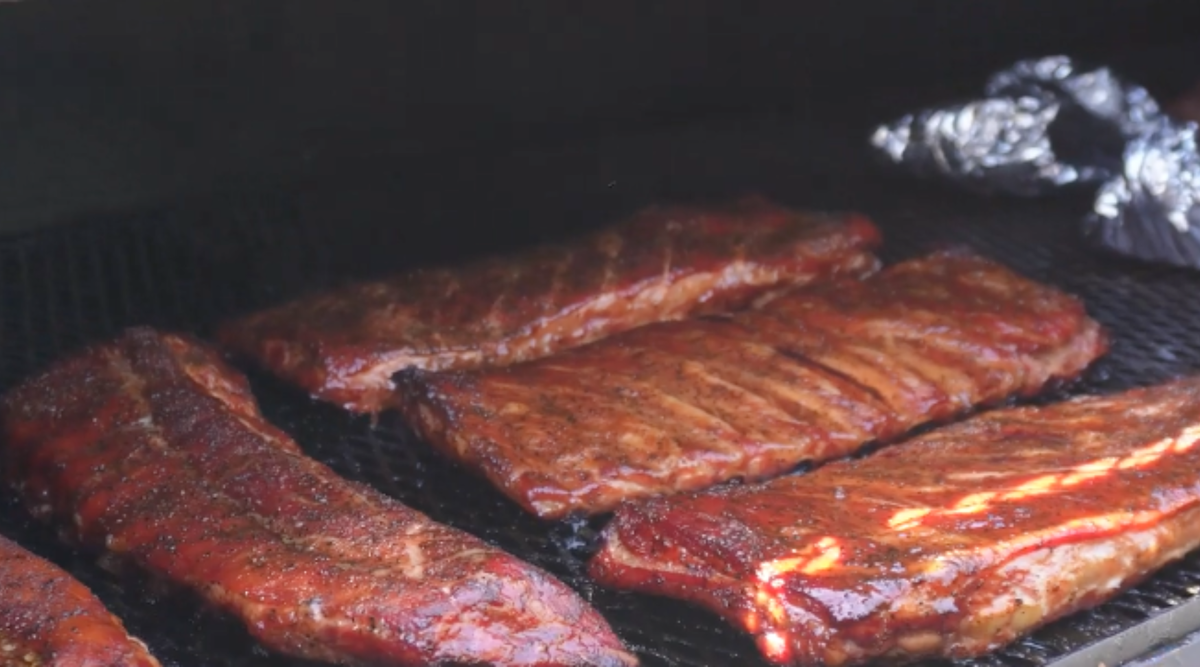
Big Poppa’s BBQ Ribs on the Jambo Pit
Big Poppa
4-6
20 minutes
1 1/2
American
BBQ / Grilling
Experience the ultimate BBQ delight with Big Poppa’s BBQ Ribs, cooked to perfection on a Jambo Pit. This recipe combines the rich flavors of Big Poppa’s Little Louie’s Seasoning with a sweet and spicy apple habanero mop sauce, creating ribs that are juicy, tender, and bursting with flavor.
Big Poppa’s BBQ Ribs on the Jambo Pit is a mouthwatering recipe that showcases the best of BBQ. The ribs are seasoned with Big Poppa’s Little Louie’s Seasoning, spritzed with apple juice, and mopped with a delicious blend of maple syrup and Head Country Apple Habanero. Cooked low and slow on the Jambo Pit, these ribs are perfect for any BBQ enthusiast looking to impress.
Ingredients
Baby Back Ribs
Apple Juice
Maple Syrup
Directions
Preheat your Jambo pit to 275 degrees.
Trim the ribs to square them up and remove excess fat. Remove the membrane from the back of the bones.
Season the ribs with Big Poppa’s Little Louie’s Seasoning.
Let the meat rest for 10 minutes so the seasoning melts into the meat.
Place the ribs in the Jambo and let them smoke for 45 minutes.
Spritz the ribs with apple juice about 20 minutes after placing them in the smoker, and repeat periodically.
Prepare your mop sauce: In a bowl, mix 10 ounces of water, 6 ounces of maple syrup, and 3 ounces of Head Country Apple Habanero.
Start mopping your ribs with the sauce and let them cook for another 30 minutes.
Remove the ribs from the smoker and baste them with BBQ sauce on both sides.
Slice and enjoy!

Leave a comment
This site is protected by hCaptcha and the hCaptcha Privacy Policy and Terms of Service apply.