



How Pitmasters Build Bold Flavor

BBQ Rub Layering 101: How Pitmasters Build Bold, Complex Flavor
One rub is a good cook. Two rubs applied with intention is a great cook. The difference between backyard BBQ that tastes fine and competition-worthy BBQ that makes people stop mid-bite is almost always BBQ rub layering — the technique of building flavor in stages rather than dumping everything on at once. Big Poppa Smokers has been formulating premium rubs for competition teams and backyard pitmasters for over 15 years, and the most consistent thing we've seen separate good cooks from great ones is understanding that seasoning is a process, not a single step.
Why Rub Layering Works: The Science Behind the Flavor
Rub layering works because different flavor compounds behave differently under heat, time, and moisture. Salt penetrates deep into the muscle fibers — given time, it draws moisture out, then pulls it back in, carrying dissolved flavor compounds with it. Sugars caramelize on the surface at high heat, forming the bark that makes BBQ bark distinct from a braised exterior. Volatile aromatic compounds — the ones that hit your nose first when you open a jar of rub — evaporate at relatively low temperatures.
This is why applying everything at once and throwing it on the grill immediately leaves flavor on the table. A rub applied 30 minutes before cooking has had time to begin dissolving into the surface moisture. A rub applied the night before has had time to fully penetrate and season the meat from the inside out. A finishing rub applied after cooking delivers aromatics that would have burned off hours earlier. Remember Big Poppa's tip — ALWAYS LET THE MEAT SWEAT!
The three flavor zones of a layered BBQ cook
A properly flavor blended cook has three distinct flavor zones that each rub is responsible for building:
- Interior flavor: Salt-forward rubs applied early that penetrate the muscle and season the meat from within. This is why brisket seasoned overnight tastes fundamentally different from brisket seasoned an hour before the cook.
- Bark and crust: The surface layer that caramelizes, dehydrates, and forms the mahogany bark everyone is chasing. Sugar content, paprika, and spice compounds drive this layer. Applied at cook time.
- Aromatic finish: The top note that hits you immediately when you bite in or pull apart the meat. Fresh herb, citrus, and delicate spice compounds that belong on after the cook, not before.
The Three-Layer System: Base, Build, and Finish
The most reliable BBQ rub layering framework uses three distinct application moments — each with a specific purpose. You don't need to use three different rubs every time, but understanding the role of each layer lets you make intentional choices about which flavors to amplify and which to let serve as foundation.
Layer 1: The Base Rub (applied early)
The base rub is your foundation flavor — salt-forward, savory, designed to penetrate. Apply it generously and give it time: minimum 30 minutes, ideally 2–4 hours for ribs and chicken, overnight for pork shoulder and brisket. The base rub does the heavy lifting on interior seasoning and sets the flavor baseline that everything else builds on.
Big Poppa's Money Seasoning is the ideal base rub. It's deliberately designed as a savory, balanced foundation that doesn't overpower — it provides depth and salinity that makes every other flavor you add pop more clearly. Think of Money as the canvas. Everything else is the painting.
Layer 2: The Accent Rub (applied at cook time)
The accent rub goes on just before the meat hits the pit. This layer is responsible for bark development, color, and the distinctive flavor profile you're building for this specific cook. It's where personality enters — sweet, spicy, smoky, herb-forward. Don't bury the base rub: a light to medium coat of the accent rub over the base layer is the target.
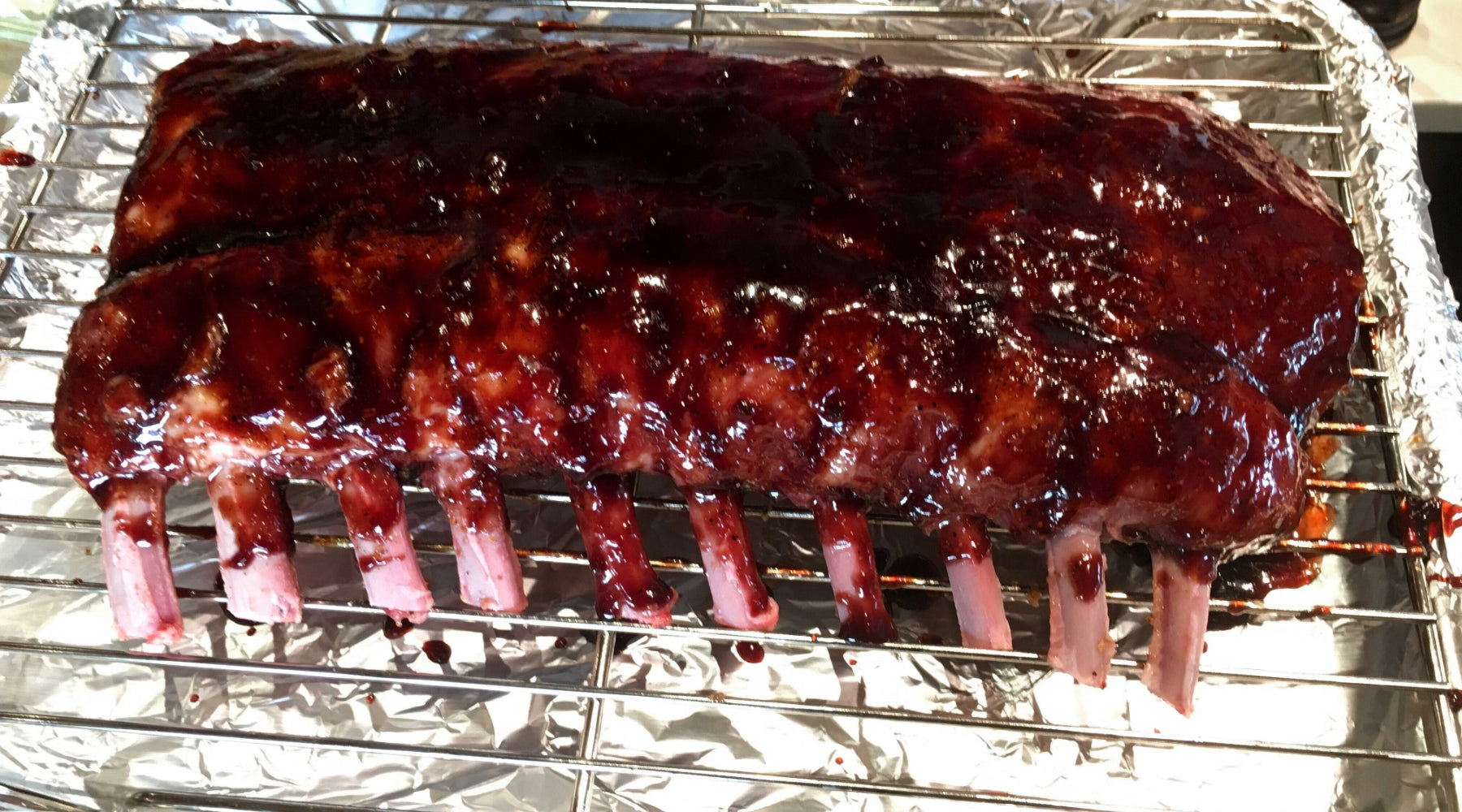
For pork, Big Poppa's Sweet Money Seasoning over a Money base creates a sweet-savory bark that's become a go-to for backyard and competition ribs. For beef, layering Double Secret Steak Rub over a Money base delivers a coarse pepper-salt crust on brisket that rivals any Texas barbecue joint. For heat lovers, Jallelujah Jalapeno as an accent over Money adds building heat without compromising the base flavor structure.
Layer 3: The Finishing Rub (applied after cooking)
The finishing layer is the move most backyard cooks skip entirely and competition teams rely on completely. Delicate aromatic compounds — the flavors that make a rub smell incredible in the jar — volatize quickly at cooking temperatures. If you want those bright, fresh top notes on the plate, they need to go on after the cook.
Big Poppa's Happy Ending Finishing Dust was built specifically for this moment. Apply it during the rest period or just before serving — a light, even coat over sliced brisket, pulled pork, or finished ribs delivers an aromatic punch that makes the cook smell as good as it tastes. In a competition turn-in box, this is what makes judges lean in.
Protein-Specific Layering Combinations That Win
The best rub layering combination depends on the protein, the cook method, and the flavor profile you're building. Here are the tried-and-tested stacks that Big Poppa Smokers teams and backyard pitmasters have been running for years:
|
Brisket & Beef Ribs Base: Money Seasoning (overnight) Result: Deep, peppery Texas-style bark with layered beef flavor and bright aromatic finish. |
Pork Ribs & Pork Butt Base: Money Seasoning (2–4 hrs) Result: Sweet-savory mahogany bark with caramelized sugar notes and a fresh aromatic top note. |
|
Chicken Base: Jallelujah Jalapeno (2–12 hrs) Result: Savory heat under a sweet caramelized crust — crispy, layered, crowd-stopping chicken. |
Steaks Base: Little Louie's Garlic Pepper (30–60 min) Result: Garlic-savory foundation under a bold peppery crust — steakhouse flavor at home. |

Competition Rub Layering: How the Pros Do It
Competition teams treat rub layering as a proprietary process — their stack is as guarded as their injection recipe. But the underlying framework is consistent across winning teams: a penetrating base layer applied the night before, a carefully chosen accent rub applied at cook time for bark and visual appeal, and a finishing product that delivers the final sensory experience when the box is opened in front of judges.
For competition BBQ specifically, Big Poppa's Competition Stash Seasoning was formulated to work as either a stand-alone competition rub or as a layer in a more complex stack. Paired with a Money base on pork categories, it delivers the balance of sweet, savory, and subtle heat that KCBS judges consistently reward. And for beef categories, the Competition Brisket n Steak Rub over a Money base produces the kind of bark complexity that doesn't need sauce to score well on appearance and taste.
What competition judges are actually scoring
Understanding the judging framework clarifies why layering matters at the competition level. KCBS scores on appearance, taste, and tenderness. Appearance is judged first — and a well-layered cook produces visually superior, consistent color and bark. Taste is judged second — layered flavor profiles score higher because they have complexity: an initial note, a middle note, and a finish. One-rub cooks are one-note cooks, and one-note cooks plateau in the middle of the pack.
Common Rub Layering Mistakes and How to Avoid Them
Most cooks learn rub layering by making these mistakes first. Skip the learning curve:
- Blending two high-salt rubs: Salt compounds in the two rubs don't cancel out — they add together. A base rub already provides plenty of salinity. Choose an accent rub that's lower in salt and higher in flavor complexity. Taste both dry before applying.
- Applying the finishing rub before cooking: Finishing dust applied pre-cook burns off before it can deliver its flavor. Save it for the rest period or the plate. Put it on last, always.
- Using too much accent rub: The accent layer should accentuate, not dominate. If you can't taste the base rub anymore, you've gone too heavy on the accent. Back off to a light dusting and rebuild.
- Not giving the base rub enough time: A base rub applied 10 minutes before cooking is barely surface seasoning. Give it time. The flavor difference between 30 minutes and 4 hours is significant. Overnight is even better for large cuts.
- Pairing rubs that compete instead of complement: Two citrus-forward rubs don't create "more citrus" — they create chaos. Think about the flavor architecture: savory base, distinctive accent, aromatic finish. Each layer fills a different role.
Building Your Rub Library: Where to Start
You don't need ten rubs to layer effectively. You need three or four that cover the full flavor spectrum. Here's the recommended starter stack for anyone building their rub library around the layering system:
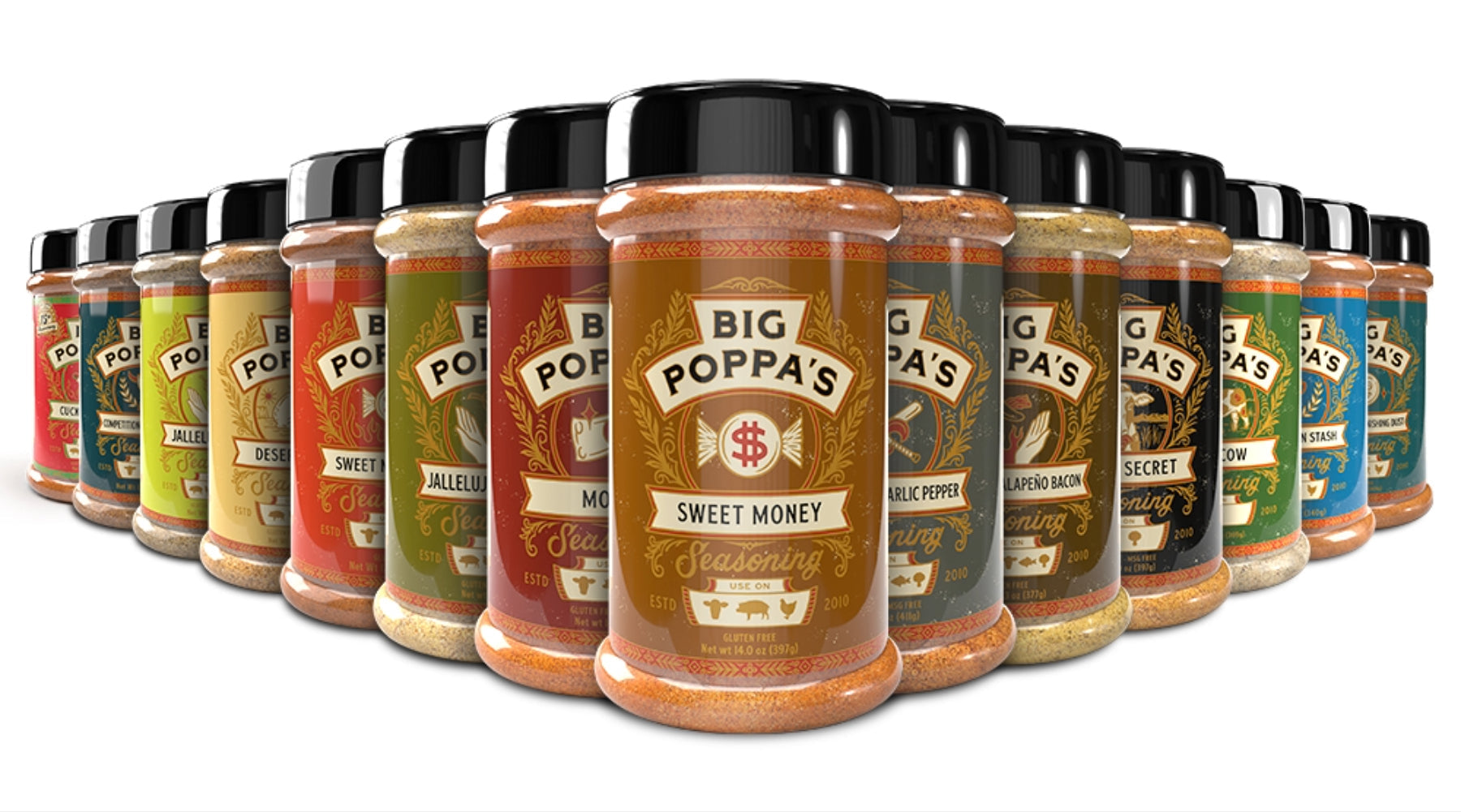
- Foundation rub: Money Seasoning — savory, balanced, low-sugar, works on everything. This is the rub that never leaves your shelf empty.
- Sweet accent: Sweet Money Seasoning — all the flavor of Money with a sweet profile that builds bark and appeals to every crowd. Stack it over Money for pork and chicken.
- Bold beef accent: Double Secret Steak Rub — coarse grind, bold pepper-forward, built for beef crust. Stack over Money for brisket, tri-tip, and steaks.
- Finishing layer: Happy Ending Finishing Dust — applied post-cook only. The move that makes your food taste like it came from a serious kitchen, not a backyard grill. Every cook benefits from this.
Once you've mastered the base four, expand into heat profiles with Jallelujah Jalapeno, and into competition-specific stacks with Competition Stash. Browse the full Big Poppa Smokers seasoning collection to build your library.

Frequently Asked Questions About BBQ Rub Layering
BBQ rub layering is the technique of applying multiple rubs or seasonings at different stages of the cook — before, during, and after — to build complex, multi-dimensional flavor. Each layer serves a different purpose: the base layer penetrates the meat, the cook layer builds bark, and the finish layer adds brightness and aroma.
Yes, with intention. Combining two rubs works best when they have complementary flavor profiles — one savory foundation rub with one that brings sweetness, heat, or citrus. Start with a 70/30 ratio, base rub to accent rub, and adjust from there based on your preference and the protein you're cooking.
Apply your base rub first — typically 30–60 minutes before cooking, or the night before for large cuts. Add any accent rub closer to cook time. Apply a finishing rub or dust after the cook is complete, just before serving, to preserve its aromatic compounds.
A finishing rub or dust is applied after cooking, not before. It's designed to deliver fresh aromatic flavor that would otherwise burn off during the cook. Big Poppa's Happy Ending Finishing Dust is a perfect example — applied at rest or just before serving for a final pop of flavor and visual appeal.
Yes, but the approach varies by protein. Brisket benefits from a bold two-rub base-to-accent approach. Ribs and pork shoulder love sweet and spicy layering. Chicken and fish respond well to lighter base rubs with citrus or herb finishes. The key is matching rub intensity to the fat content and cook time of the protein.
Build Your Layering Stack
Start with Money. Add Sweet Money or Double Secret. Finish with Happy Ending. Explore the full seasoning collection, get inspired in our recipe collection, explore more technique guides in the Rubs, Flavor & Technique hub, and watch our seasoning techniques on the Big Poppa Smokers YouTube channel.

Big Poppa Smokers has been the trusted source for premium BBQ rubs, sauces, drum smokers, and expert grilling knowledge for over 15 years. From our competition-tested seasonings to our hand-built drum smoker kits, everything we make is designed to help you cook better — whether you're in the backyard or on the competition circuit. Learn more about us or shop the full collection.

Leave a comment
This site is protected by hCaptcha and the hCaptcha Privacy Policy and Terms of Service apply.