



How to Blending BBQ Rubs

How to Blend BBQ Rubs Like a Pitmaster for Deeper, More Complex Flavor
There's seasoning, and then there's building flavor. Most pitmasters don't rely on a single BBQ rub for every cook. They blend BBQ rubs to create depth — sweet up front, savory in the middle, and a finish that makes people come back for just one more bite. This isn't guesswork. It's a system. And once you learn it, you'll never go back to shaking one bottle and calling it done. Big Poppa Smokers has spent over 15 years developing rubs that work individually and as building blocks for custom blends. This guide walks you through how to build flavor profiles with purpose — so your ribs, pork butt, brisket, and chicken taste like you meant every note.
Why Pitmasters Blend BBQ Rubs Instead of Using One
A single rub gives you a single flavor profile. That's fine for a Tuesday night dinner, but when you want BBQ that stops people mid-bite and makes them ask what you did differently, blending is the move. When you blend BBQ rubs, you're building a flavor architecture — a foundation and accent layers that create complexity you can't get from one bottle.
Blending gives you control over sweetness, heat, salt, and savory depth independently. It lets you customize profiles for specific proteins. It produces better bark on low-and-slow cooks because different rub components caramelize at different rates. And it gives you the kind of consistency that turns a good backyard cook into the person everyone calls first for the cookout.
The Difference Between Good BBQ and Memorable BBQ
Good BBQ hits one note well. Memorable BBQ hits three or four notes in sequence — sweet, then savory, then pepper, then a warm finish. That layered experience comes from blending, not from finding one magic rub.
Step 1: Know What Each Rub Is Doing
Before you start throwing rubs together, understand the role each one plays. In professional BBQ, blends have two components: a foundation and an accent.
Base Rub (Foundation)
Your base rub carries the primary flavor and structural seasoning. It's the backbone of salt, spice, and the dominant flavor character that defines the cook.
- Big Poppa's Sweet Money Seasoning — Sweet-savory balance that works on pork and chicken. The most versatile base in the lineup.
- Big Poppa's Money Seasoning — Classic sweet-forward profile built for pork. The all-purpose workhorse.
- Big Poppa's Competition Brisket & Steak Seasoning — Bold, savory base built specifically for brisket and beef. The go-to foundation for competition-level beef.
- Big Poppa's Double Secret Steak Rub — Coarse-ground pepper-forward rub built for high-heat steaks and reverse sears.
Accent Rub (Enhancer)
Your accent rub sharpens or redirects the flavor profile. It adds heat, garlic, umami depth, or an extra layer of sweetness that the base alone can't deliver.
- Big Poppa's Sweet Money Hot Seasoning — Controlled heat that plays well with sweet bases without overpowering.
- Big Poppa's Cash Cow Beef Rub — Deeper savory and umami character that elevates brisket and beef ribs.
- Big Poppa's Little Louie's Garlic Pepper Seasoning — Garlic-forward richness that "rounds" flavor and adds depth to any base.
Step 2: Pick Your Flavor Goal First
Great blends start with intent, not improvisation. Before you open a single bottle, decide what you want the finished bite to taste like. This is what separates pitmasters from people who just sprinkle stuff on.
- Sweeter, crowd-pleasing ribs? Build on Sweet Money or Money as your base.
- Bold, beefy brisket? Start with Competition Brisket & Steak.
- More heat without losing sweetness? Add Sweet Money Hot in small increments.
- Deeper savory complexity? Use Cash Cow or Little Louie's as the accent.
- Competition-level layered bark? Use a two-pass approach with different rubs for each layer.
The flavor goal drives every decision that follows. Write it down before you start — "sweet with a peppery finish" or "savory forward with garlic depth" — and let that guide your ratios.

Step 3: The 70/30 Rule — Your Starting Ratio
If you're new to blending BBQ rubs, this is your anchor point: 70% base rub + 30% accent rub. This ratio gives the base room to carry the profile while the accent adds character without taking over.
Proven Blend Combinations
- Pork ribs: 70% Sweet Money Seasoning + 30% Sweet Money Hot Seasoning
- Brisket: 70% Competition Brisket & Steak + 30% Cash Cow Beef Rub
- Pork butt: 70% Money Seasoning + 30% Little Louie's Garlic Pepper Seasoning
- Chicken: 70% Sweet Money Seasoning + 30% Sweet Money Hot Seasoning
Once you like the direction, adjust in 5% increments — not bigger jumps. Going from 70/30 to 60/40 in one move changes the entire character of the blend. Small moves keep you in control.
Mixing vs. Layering: Two Different Techniques, Two Different Results
Mixing (Pre-Blending)
Combine your rubs in a bowl or shaker before applying to the meat. This produces a uniform flavor from edge to edge — every bite tastes the same. Pre-mixing is ideal for backyard cooks who want reliable, consistent results without overthinking the application.
Layering (Sequential Application)
Apply one rub directly to the meat, let it set for 10-15 minutes, then dust the second rub on top. Layering produces a more defined bark and a more dynamic bite because each layer interacts with heat and smoke differently. The bottom layer bonds to the meat surface and creates structure. The top layer caramelizes against the smoke and air.
Most competition pitmasters layer rather than mix. The bark quality is noticeably different — more textured, more complex, more visually appealing in the turn-in box. If you're cooking for a crowd or a contest, layering is worth the extra two minutes.
How to Blend BBQ Rubs by Protein
Pork Ribs
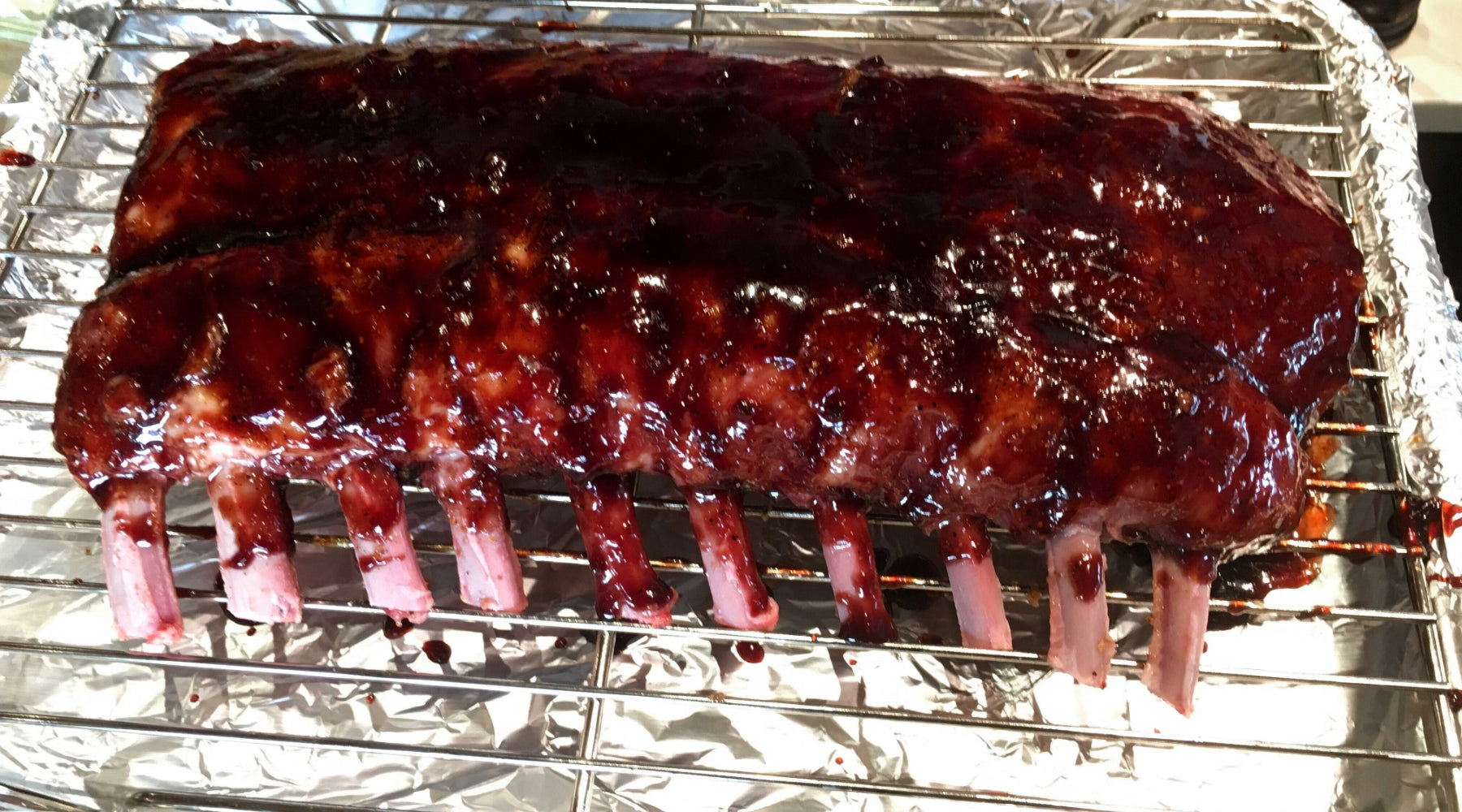
Base: Sweet Money Seasoning. Accent: Sweet Money Hot Seasoning (light dusting for controlled heat). The sweet base caramelizes into a beautiful mahogany bark, and the heat accent builds warmth without overwhelming the pork flavor. If you're finishing with a sweet sauce like Granny's BBQ Sauce, keep the rub blend slightly more savory to avoid sugar overload.
Pork Butt
Base: Money Seasoning. Accent: Little Louie's Garlic Pepper Seasoning for garlic-forward depth. Season in layers and let the rubbed butt "sweat" for 20-30 minutes before it hits the smoker. The salt draws surface moisture, the garlic hydrates into the meat, and you get a pellicle that smoke adheres to beautifully.
Brisket
Base: Competition Brisket & Steak Seasoning. Accent: Cash Cow Beef Rub (light layer for umami and savory depth). Brisket shines with a savory, peppery profile — avoid going too sweet on beef. Competition Brisket & Steak is purpose-built for this protein, and Cash Cow adds a layer of richness underneath that rounds out the whole bite.
Chicken
Base: Sweet Money Seasoning. Accent: Sweet Money Hot Seasoning (a small amount goes a long way on poultry). For crispy, bite-through skin, avoid piling on heavy sugar layers at high heat — the sugars will burn before the skin renders. Apply a thin, even coat and let it set before cooking on clean, oiled grates.

How Blending BBQ Rubs Changes Bark Development
Rub ingredients directly affect how bark forms during a cook. Different components caramelize at different temperatures and rates, which is why blended rubs produce more complex bark than single rubs.
- More sugar in the blend produces darker color and stronger caramelization. This is great for ribs and chicken at moderate heat, but can burn on long brisket cooks.
- More savory, pepper, and garlic produces a firmer crust with a deeper, beefier character. This is the bark profile competition brisket teams target.
- A blend of both creates the most interesting bark — a crust that's crunchy on the outside, slightly sweet on the first bite, then savory and complex underneath.
If your bark consistently gets too dark on long cooks, scale back the sweeter rub in your blend and lean more savory. If your bark is pale and soft, you need more sugar content or higher cooking temperature during the bark-setting phase.
Pitmaster-Level Tips That Make Blends Work
Use Thin, Even Layers
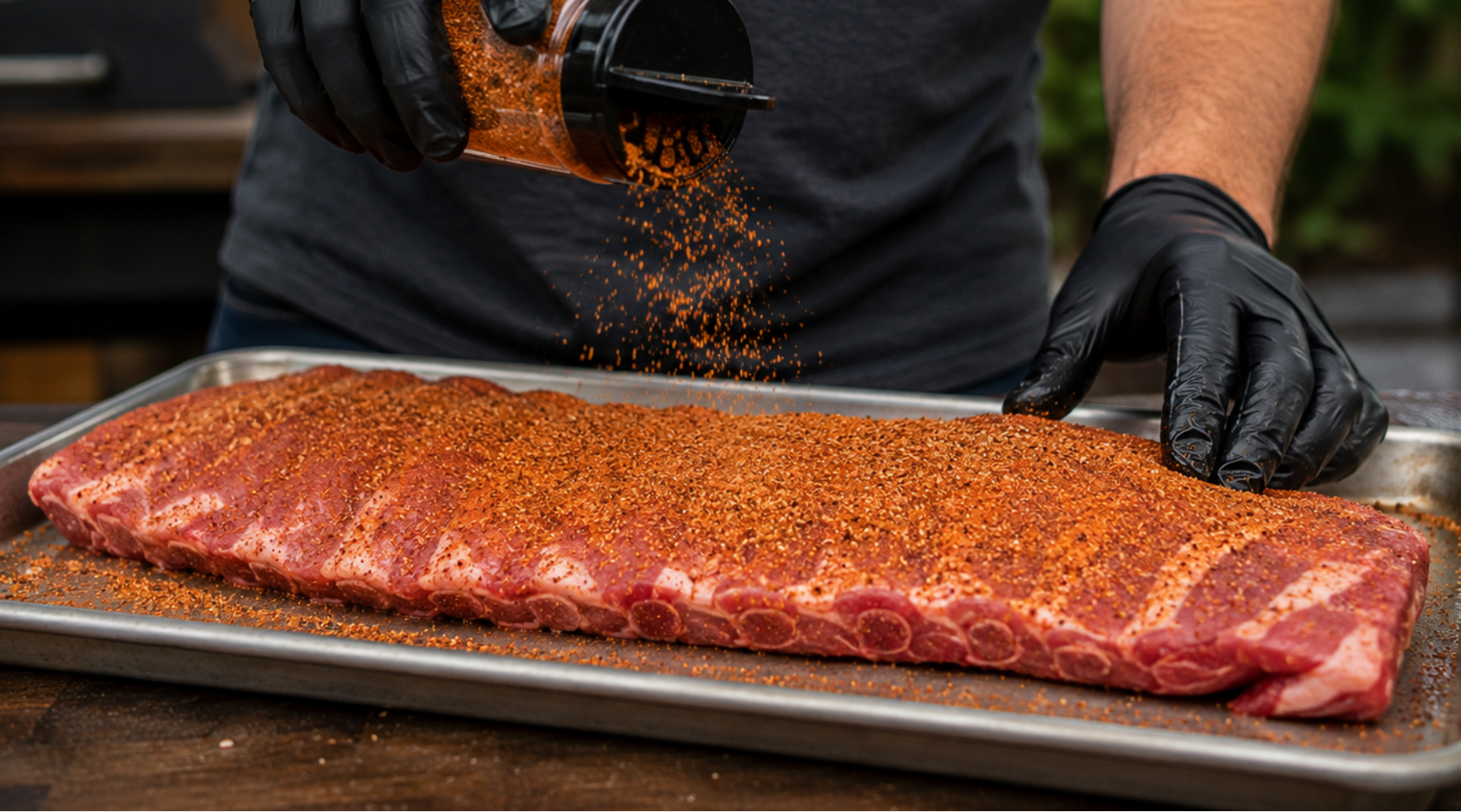
More rub doesn't mean more flavor. Caked-on seasoning tastes harsh, affects texture, and creates uneven bark. A consistent, moderate coating that you can see the meat through slightly is the target. If you can't see any meat color through the rub, you've applied too much.
Let the Rub Set Before Cooking
Give your blend 20-30 minutes on the meat at room temperature before it hits the smoker. This lets the salt draw surface moisture, the spices hydrate, and the whole application bond to the surface. Rushing this step means rub that sits on top of the meat instead of becoming part of it.
Keep a Simple Blend Log
Write down ratios, protein, cooker type, cook temp, and results. Three columns: what you did, what happened, what you'd change. This is how pitmasters build repeatable success. After five entries, you'll have a personal playbook that's worth more than any recipe you'll find online.
Taste the Blend Dry Before Applying
Pinch a small amount of the blended rub and taste it. Your tongue should register the base flavor first, followed by the accent. If the accent hits first, dial it back. If you can't taste the accent at all, add more. This 10-second check prevents a lot of disappointing cooks.

Frequently Asked Questions
Can I blend BBQ rubs from different brands together?
Yes. The main thing to watch is salt content. If both rubs are salt-forward, reduce your total application amount or balance with a lower-salt accent rub. Taste a small pinch of the blend before applying to make sure the salt level works for your protein.
Is it better to layer BBQ rubs or pre-mix them?
Both work — it depends on your goal. Layering often creates a stronger bark and more dynamic bite. Pre-mixing gives a more uniform flavor from edge to edge. For competition, many pitmasters layer. For backyard consistency, pre-mixing is easier to control.
What ratio should I use to blend BBQ rubs?
Start with the 70/30 rule: 70% base rub and 30% accent rub. Once you like the direction, adjust in 5% increments. Most pitmasters settle between 60/40 and 80/20 depending on how bold they want the accent.
Will blending BBQ rubs make my food too salty?
It can if both rubs are salt-heavy. Use a salt-forward base and a lower-salt accent, or apply thinner layers overall. When in doubt, season lighter and add more after tasting.
Should I change my blend BBQ rubs approach if I'm using sauce?
Yes. If your sauce is sweet — like Granny's BBQ Sauce — keep your rub blend slightly more savory to avoid sugar overload. If your sauce is spicy, keep the rub blend more balanced or slightly sweet. Rub and sauce should complement each other, not compete.
Build Your Signature Blend
Blending BBQ rubs is how pitmasters go from good to unforgettable. Stock your lineup with the building blocks: Sweet Money, Money, Sweet Money Hot, Competition Brisket & Steak, Double Secret Steak Rub, Cash Cow, and Little Louie's. Explore more Rubs, Flavor & Technique guides, browse our recipe collection, and watch blending tutorials on the Big Poppa Smokers YouTube channel.

Leave a comment
This site is protected by hCaptcha and the hCaptcha Privacy Policy and Terms of Service apply.